

Read Time :
Table of Contents
Keypoints
- Tension fuels attraction – Enemies to Lovers thrives on sparks born from rivalry, where emotional friction transforms into passion.
- Psychology of conflict – Anger, rivalry, and forced proximity heighten emotions, making it easier for hostility to shift into intimacy.
- Layered tropes – Starwoven Hearts blends Enemies to Lovers with Forbidden Love and Forced Proximity, multiplying emotional stakes.
- Symbolism enriches love – Moons, nets, boats, and caves symbolize reconciliation, showing how brokenness transforms into eternal love.
- Modern resonance – The trope empowers heroines, dramatizes equality in relationships, and reflects hope in a divided world.
Introduction
The Enemies to Lovers trope is one of the most electrifying arcs in romance storytelling, where tension and rivalry ignite into passion.
Unlike gentler paths to love, this journey thrives on sharp words, clashing wills, and undeniable chemistry hidden beneath conflict.
In Starwoven Hearts, the tale of Aelira of the Lir and Kaelo of the Vey captures this transformation perfectly—two sworn rivals bound by pride and prejudice who discover that the fire of hostility can kindle the light of eternal love.
Their story reveals why readers are endlessly drawn to the intoxicating blend of conflict, symbolism, and reconciliation that defines the Enemies to Lovers narrative.
Why Conflict Fuels Enemies to Lovers Romance
Romance stories have always thrived on tension, and few tropes embody this better than the Enemies to Lovers arc.
It is a narrative of sparks born from friction, where rivalry slowly transforms into intimacy. In the symbolic island romance Starwoven Hearts, the relationship between Aelira of the Lir and Kaelo of the Vey is a textbook case of this trope.
Their journey from distrust to devotion captures not only the drama of forbidden attraction, but also the deep psychology that makes conflict such a fertile ground for love.
This article explores the thought and psychology behind the Enemies to Lovers trope, using Starwoven Hearts as a case study. We’ll examine why readers adore it, how it differs from other romance tropes like Friends to Lovers or Forbidden Love, and what symbolic lessons it offers about reconciliation, passion, and eternal unity
Why We Love the Enemies to Lovers Trope
The appeal of the Enemies to Lovers trope lies in its emotional intensity. Unlike the gentle growth of Friends to Lovers, this arc begins with heat—arguments, rivalry, and clashing egos.
Readers are hooked because they sense that beneath the sharp words lies suppressed attraction.
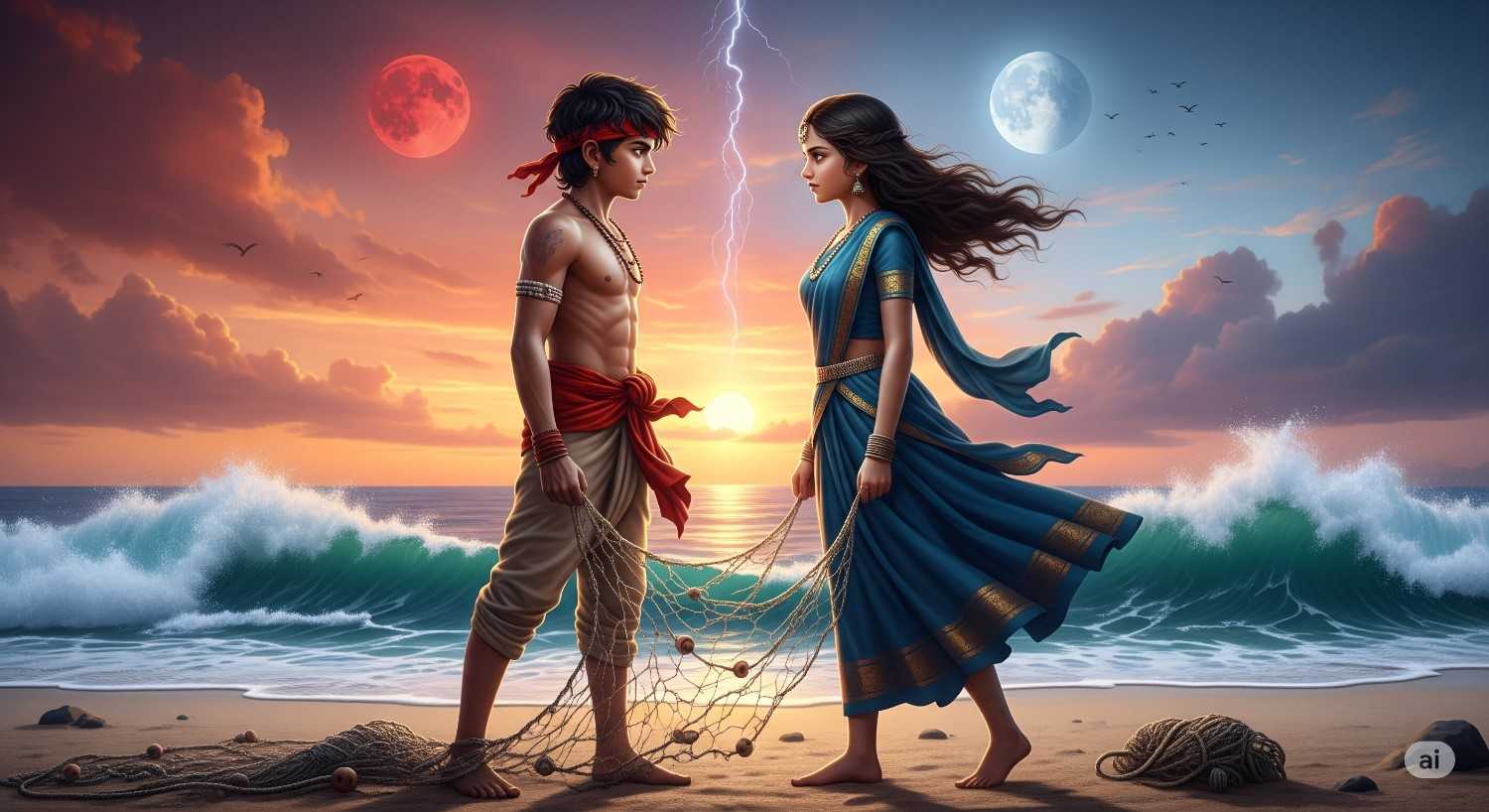
In Starwoven Hearts, Aelira and Kaelo embody this duality. She is the proud fisher-girl of the Lir, her silver eyes mirroring the calm sea.
He is the fiery hunter of the Vey, his storm-gray gaze filled with untamed energy.
Their first encounter is not soft or tender but marked by hostility: a Broken Net Incident that sparks anger and misunderstanding.
Yet within that conflict lies chemistry. Psychology calls this the “arousal transfer effect,” where heightened emotional states—whether anger, fear, or rivalry—easily shift into passion. For the reader, the thrill is watching tension morph into tenderness.
As one line in the story suggests: “What begins with fire often ends with light.” This captures why Enemies to Lovers never grows old—it dramatizes the transformation of raw energy into intimacy.
The Role of Conflict and Attraction
Romance without struggle can feel flat. Conflict is what gives passion its texture. In Aelira and Kaelo’s story, every disagreement carries an undercurrent of desire.
Their quarrels over fishing rights and tribal pride are not just external disputes; they mask an unconscious pull toward one another.
The Enemies to Lovers trope thrives on this paradox: the person who annoys you most is also the one who sees you most clearly.
Kaelo challenges Aelira’s patience; Aelira questions Kaelo’s arrogance. Each wound digs deeper, but also carves space for unexpected closeness.
When the storm forces them into the same glowing cave—a classic Forced Proximity situation—the truth becomes undeniable.
The cave scene is symbolic: in the darkness of entrapment, they begin to see light in each other. Forced to share warmth and food, their rivalry softens into reluctant trust, and then into a dangerous attraction.
The psychology is simple yet profound: shared vulnerability erodes hostility. When survival depends on cooperation, enemies must lower their defenses. The moment defenses fall, love rushes in.
Enemies to Lovers vs Other Romance Tropes
To understand the strength of Starwoven Hearts, it’s helpful to compare the Enemies to Lovers arc with other beloved romance tropes:
Friends to Lovers: This trope relies on comfort and familiarity. Unlike Aelira and Kaelo, who start from distrust, friends already share loyalty. The drama comes from crossing the line from platonic to romantic. In contrast, Enemies to Lovers is sharper, riskier, and more cathartic.
Love: Often rooted in social rules or cultural taboos, Forbidden Love emphasizes secrecy. While Starwoven Hearts shares this element—the Lir and Vey tribes forbid union—it adds the rivalry of clashing personalities, making it a hybrid of tropes.
Forced Proximity: A storm, a cave, or a stranded boat—this trope forces characters together until they cannot escape each other’s presence. In Aelira and Kaelo’s story, the storm is both literal and symbolic, binding them in closeness they cannot avoid.
Rivals to Lovers: A cousin of Enemies to Lovers, this trope focuses on competition. Aelira and Kaelo do compete—the net, the sea, tribal pride—but their enmity runs deeper, tied to cultural hostility, making their eventual love even more triumphant.
Starwoven Hearts succeeds because it doesn’t stick to one trope—it layers them.
By combining Enemies to Lovers, Forbidden Love, and Forced Proximity, it multiplies the emotional stakes.
Symbolism in Starwoven Hearts
The narrative is not only psychological but deeply symbolic. Every object in the story mirrors the transformation of rivalry into romance:
The White vs Red Moon: Aelira embodies wisdom and serenity, Kaelo embodies strength and passion. When the two moons rise together, it symbolizes their unity.
The Net and the Boat: Her net is torn, his boat is strong. One without the other is incomplete. Together they represent balance: the feminine and the masculine, weaving eternal love from brokenness.
The Cave: In literature, caves often symbolize rebirth. Aelira and Kaelo’s time in the cave is their transformation—from enemies bound by prejudice to lovers bound by choice.
Psychologically, these symbols illustrate reconciliation. Love here is not escapism but healing—mending what was torn, uniting what was divided.
Modern Resonance of the Trope
Why does the Enemies to Lovers trope resonate so strongly with modern readers, especially in online romance communities?
First, it provides emotional catharsis. Many readers, particularly women, enjoy the thrill of verbal sparring, the “battle of equals” that turns into attraction.
It mirrors real-life dynamics, where strong personalities clash but also connect most deeply.
Second, it offers escapism with substance. In a divided world, the idea that even sworn enemies can reconcile through love feels both hopeful and relevant.
Aelira and Kaelo’s story is not just about passion but about healing cultural divides.
Finally, the trope empowers. Unlike Friends to Lovers, where love grows quietly, Enemies to Lovers gives heroines like Aelira the chance to stand firm, argue, resist—and still be cherished.
Readers relish a heroine who is not submissive, but strong enough to meet love on her own terms.
Conclusion
The Enemies to Lovers trope endures because it dramatizes one of humanity’s deepest truths: that passion often grows in the soil of conflict.
Starwoven Hearts shows how rivalry can give way to romance, how brokenness can lead to union, and how eternal love can be born from storms.
Through symbols like the moons, the net, and the cave, the story reminds us that love is not the absence of struggle but its transformation.
For Aelira and Kaelo, eternal love is not a gentle beginning but a hard-won reconciliation—a story that continues to echo in the hearts of readers drawn to the irresistible fire of Enemies to Lovers.
Author’s Note
This story explores the timeless enemies to lovers journey, where conflict and rivalry gradually unfold into trust, passion, and intimacy. Through tension, misunderstandings, and unspoken longing, it reminds us that the strongest love often rises from the fiercest opposition.
Q1: What makes the Enemies to Lovers trope so popular?
A1: Its emotional intensity—conflict turns into passion, keeping readers hooked.
Q2: How does Starwoven Hearts use this trope effectively?
A2: It combines rivalry, forbidden love, and symbolic settings to deepen the romance
Q3: How is Enemies to Lovers different from Friends to Lovers?
A3: Friends to Lovers grows from comfort, while Enemies to Lovers burns with rivalry and cathartic transformation.
Q4: What role does symbolism play in the story?
A4: Objects like the moons, net, and cave mirror the shift from conflict to eternal love.
Q5: Why does this trope connect with modern readers?
A5: It dramatizes equality, resilience, and the hope that even enemies can reconcile through love.
FAQs: Enemies to Lovers — Starwoven Hearts
Q1: What makes the Enemies to Lovers trope so popular?
A1: Its emotional intensity—conflict turns into passion, keeping readers hooked.
Q2: How does Starwoven Hearts use this trope effectively?
A2: It combines rivalry, forbidden love, and symbolic settings to deepen the romance.
Q3: How is Enemies to Lovers different from Friends to Lovers?
A3: Friends to Lovers grows from comfort, while Enemies to Lovers burns with rivalry and cathartic transformation.
Q4: What role does symbolism play in the story?
A4: Objects like the moons, net, and cave mirror the shift from conflict to eternal love.
Q5: Why does this trope connect with modern readers?
A5: It dramatizes equality, resilience, and the hope that even enemies can reconcile through love.

0 Comments